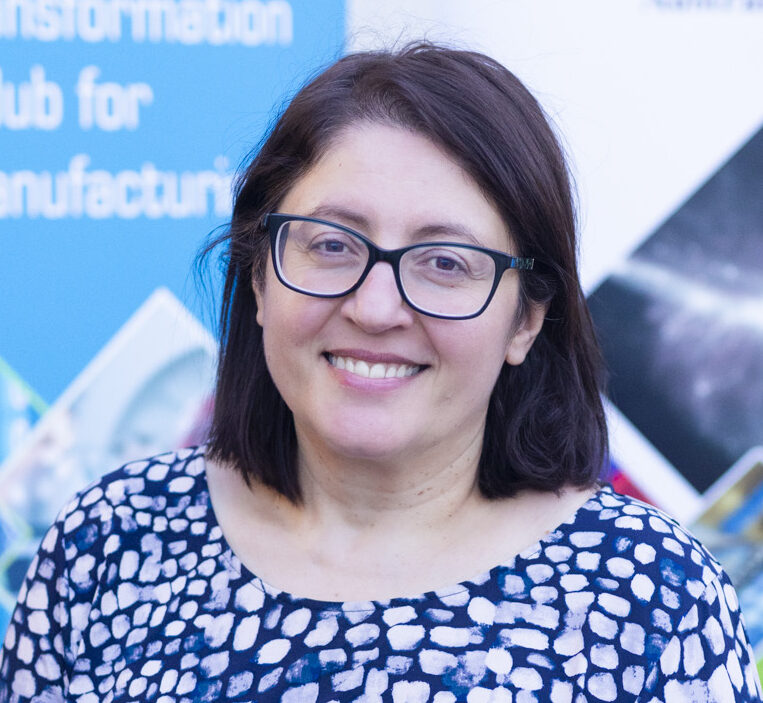
With more than 28 years of leadership experience spanning universities, health services, and research institutes, Faye brings a unique combination of scientific expertise, strategic leadership, governance, and operational excellence to the Hub. Her career has included senior roles at Swinburne University, Victoria University, Baker Heart and Diabetes Institute, and Northern Health, where she has led research operations, infrastructure, compliance, and organisational transformation.
As COO, Faye oversees the day-to-day operation of the Hub and works closely with researchers, students, industry partners, government stakeholders, and university leaders to ensure the Hub delivers impactful outcomes for Australian manufacturing.
From Scientist to Research Operations Leader
Faye began her career as a molecular scientist before moving into research leadership and management. This foundation gives her a deep understanding of the challenges researchers face and a passion for creating environments where they can thrive.
Throughout her career, she has supported the establishment of new laboratories, research facilities, governance frameworks, and large-scale collaborative programs.
“Research excellence does not happen by accident. It is enabled by people, partnerships, governance, and a shared commitment to making a difference.”
Driving Collaboration and Impact
At the Digital Manufacturing Hub, Faye works across every aspect of the organisation, including:
- Strategic planning and operations
- Industry and government engagement
- Governance and compliance
- Finance and reporting
- Events and conferences
- Communications and outreach
- Partnership development
- Research support and capability building
She is the first point of contact for organisations looking to connect with the Hub and plays a key role in building lasting relationships between academia and industry. As a member of the Hub Executive, she also helps shape the Hub’s strategic direction and operations.
Championing Research
Beyond the Hub, Faye is a passionate advocate for advancing research.
She actively mentors emerging research leaders and contributes to national communities of practice, helping shape discussions around capability development, and innovation in research operations.
Her work explores how research operations can move beyond administrative support to become a strategic, evidence-based discipline that enables research excellence and impact.
Supporting the Next Generation
One of the most rewarding aspects of Faye’s role is supporting students and early-career researchers. Whether helping a new PhD student find their feet, connecting researchers with mentors, or creating opportunities for collaboration and professional growth, she is committed to building a welcoming and supportive research community.
“One conversation, one introduction, or one opportunity can change the course of a person’s career. Creating those opportunities is one of the most rewarding parts of my role.”
Fun Fact
Outside of work, Faye enjoys gardening, nature walks, and painting. She finds that tending a garden is a reminder that growth cannot be rushed, only nurtured with patience, care, and the right conditions.
“The garden reminds me that every season has a purpose. Some are for planting, some for growing, and some for simply trusting that what you’ve nurtured will flourish.”
What excites you most about the future of digital manufacturing?
Digital manufacturing is not just about technology; it’s about people, and creating a more resilient and competitive future for Australia.
A mentor of mine, the late Professor Bob Williamson, taught me to think big, question assumptions and look beyond the immediate promise of a discovery. His thinking around the idea of scientific ‘magic bullets’ is particularly relevant today.
Introducing a new technology or digital solution may deliver impressive short-term gains. But if it isn’t fit for purpose, properly integrated into existing processes, supported by the right capabilities or designed with its longer-term application in mind, those early gains can become tomorrow’s problems and come at a considerable cost.
We risk creating new inefficiencies, unnecessary complexity and systems that are difficult to maintain or adapt. The opportunity is enormous, but we shouldn’t confuse hype with progress. There is still much work to do. This is why the work of the Hub is so important, bringing researchers and industry together to ensure new technologies are not only innovative, but practical, sustainable and capable of delivering lasting value.”